Erik Årnell on distinctiveness: Comfort kills. Contrast wins
Erik Årnell on distinctiveness: Comfort kills. Contrast wins
While people in marketing increasingly preach distinctiveness, fewer brands stand out. This is what happens when distinctiveness is reduced to a boring recipe in a slide show.
We need to see distinctiveness as something fun, something that opens up groundbreaking creative solutions.
Once we dare to trust truly creative solutions, we’ll start to stand out again and create actual value. Which is absolutely business critical.
1. Prioritize contrast over comfort
In short, distinctiveness requires contrast. This means saying "no" to the comfortable choices, and daring to look at what no one else does.
Like the infamous Swedish garbage company 'Think Pink'.
In Sweden, Bella Nilsson, who called herself the Queen of Trash, launched her garbage company 'Think Pink' in 2012. In an industry predominantly wrapped in shades of green, her pink brand instantly stood out.

Bella Nilsson was later found guilty and sentenced to prison for illegal waste disposal.
2. Be more silly than vain
Research shows that people remember the unexpected and irrational. Because in the silly, illogical, you’re usually alone – which is exactly what a brand should want.
Distinctiveness doesn’t work because it’s beautiful, but because you do something others don’t.
Is there another fintech company out there with well-groomed Afghan hounds? Nope. But there are hundreds with a beautiful user interface… whatever they’re called.
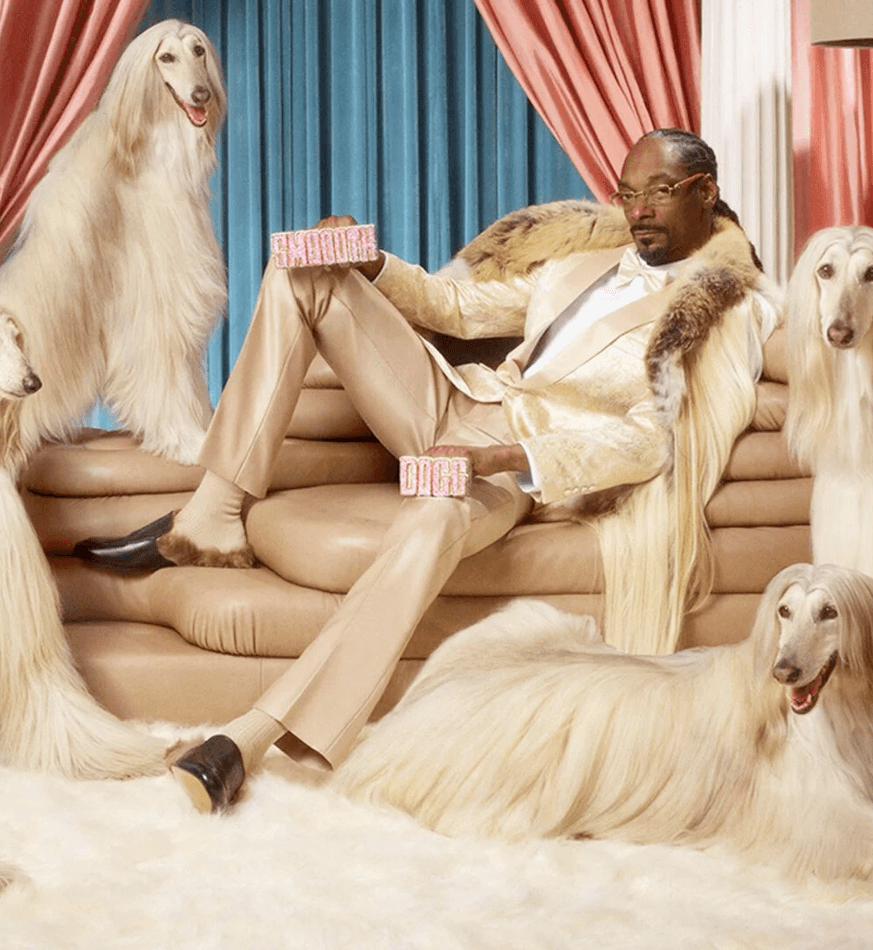
'Smoooth dogg’ by Klarna & Nord DDB (2016).
3. Think worlds before manuals
Most brands have a comprehensive manual for their visual identity.
And though manuals make brands consistent, they don’t make you stand out.
Brand worlds and stories, however, make brands present. That presence is also what makes us remember — and thus distinct.
The problem isn't a lack of manuals. It’s the absence of a manual on how to go from 2D to 3D, so to speak.
When you find yourself in Milka's alpine dream, you immediately know who is talking. There are codes, environments, and characters that make brands present throughout the story – from second one to the end. Whether it’s on TV or on TikTok, animated or real.
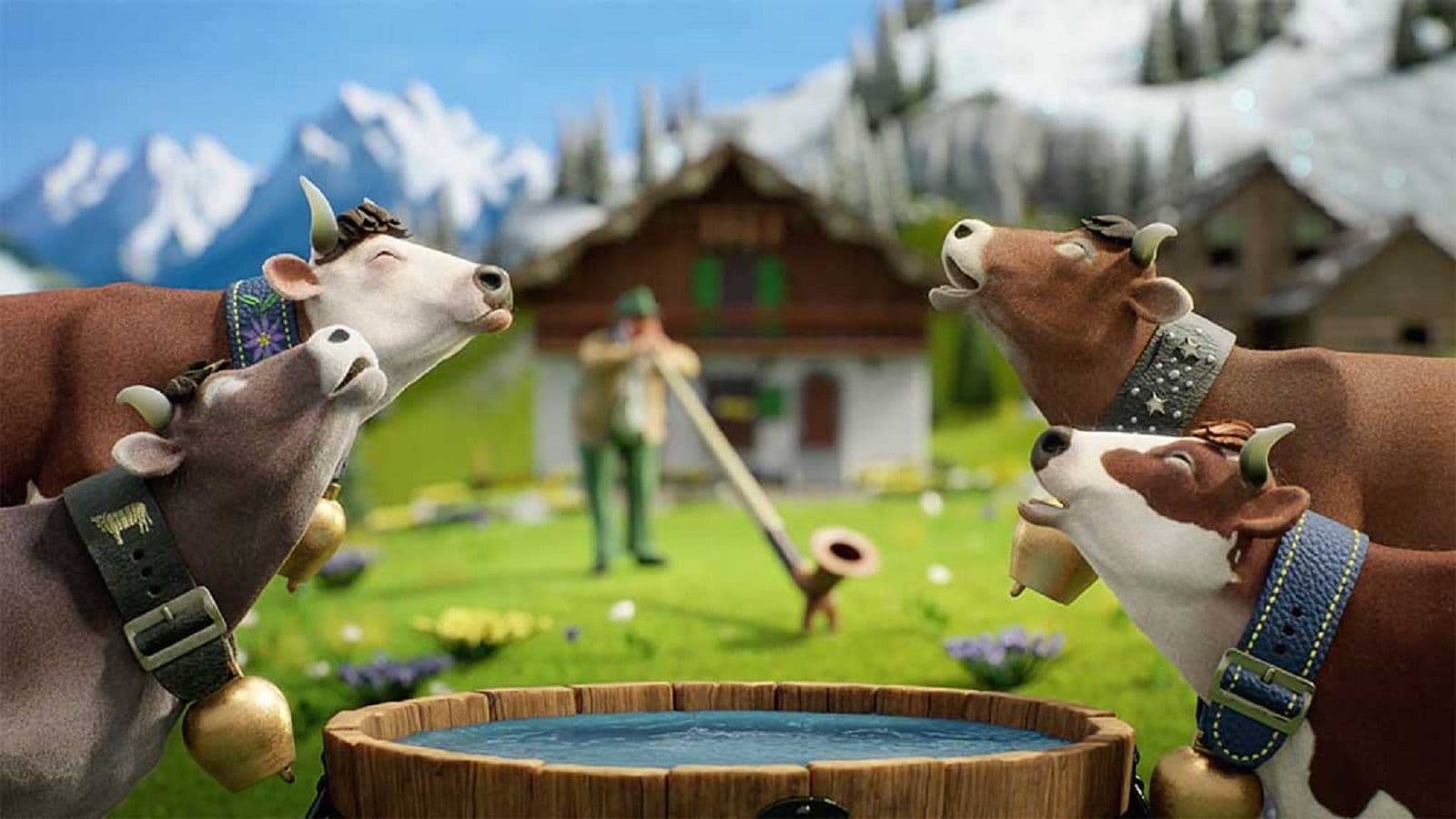
“Goodness” by Milka & Nexus Studios & Wieden+Kennedy Amsterdam (2020).
In these worlds, we also let entertainment take the manual’s place. Here, stories don’t die because someone tries to sell something from the very beginning. Instead, worlds build emotions and surprise – without the brand disappearing.
4. Create friction, not finesse
Dare to prioritize what creates a little friction and stop filing away the edges for fear of disturbing. It may sound counterproductive when we are trying to create easy choices. But our brain actually likes friction. What rubs often sticks in our memory. In finer terms, it’s called cognitive disfluency – when something feels a little off, memory increases.

‘Smoooth’ by klarna & Nord DDB (2016).
Smoooth’s strength isn’t that it’s a literal interpretation of something smooth. It works because it’s smooth in an unexpected way: a salmon on a slide or a pen in a jello mold.
5. Remember the creative
Distinctiveness is not a boring checklist or a theoretical slide in a PowerPoint. It’s a creative, practical, and often uncomfortable craft. And that is precisely why it works.
So the next time a management team says “we should be more distinctive” – ask yourself: do we dare to choose contrast over comfort, silliness over vanity, worlds over manuals, and friction over finesse?
Your answer determines whether you just talk about distinctiveness – or if you actually dare to stand out.